









College degrees are arguably one of the most important things someone could have to help them succeed in their future. The job market has not been the fairest to Gen Z with inflation and the need for more experience in the workplace.
According to a study by Handshake, college graduates currently have an employment rate of 86%. This could infer that degrees do help in the long run.
It is common nowadays for jobs to want new hires that have years of experience, but we still question how that is possible when someone has just graduated college.
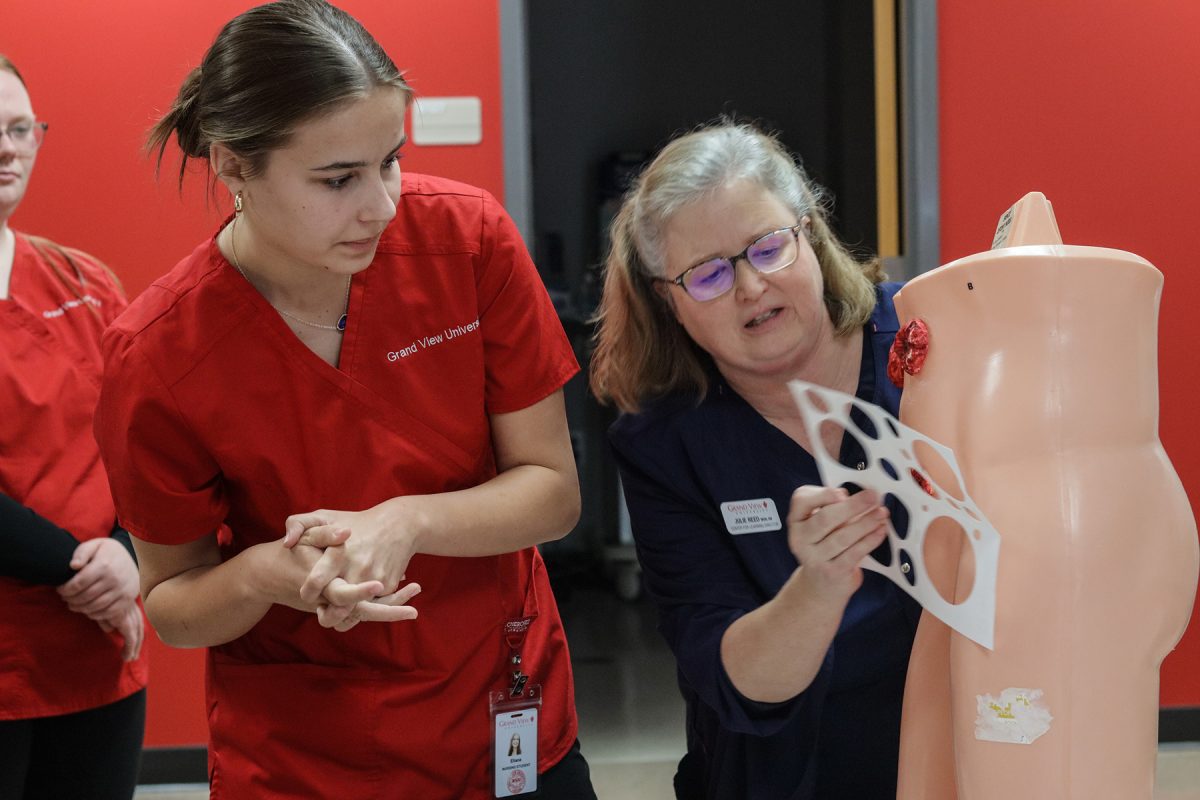
Haley Peeler, the Director of the Career Center at Grand View University has some helpful tips for college students who are seeking employment right after graduation or those worried about their financial future. One of the most important steps to help is to gain experience while you are still in college.
“I would say any existing experience that they have or any experience that they can gain, even if it’s not directly related to the industry they’re going into,” Peeler said.
On-campus experience can look different for everyone, even if it does not relate to what a student would like to do jobwise. But it still helps students build skills to help them succeed.
“Build some transferable skills. Like, even an on-campus job, or a part-time job while they’re in school,” Peeler said.
We can infer that on-campus jobs do help students become more successful, and it can make huge strides to help students out.
“I can’t tell you that there’s a correlation for sure, but I do know that in gaining work experience, they can take that to employers and then hopefully get internships that they want and then those internships definitely help them get jobs they want,” Peeler said.
Alongside gaining experience now while students are on campus, there are even more ways to get started on your future. Another step to success is to network. There are a couple of networking techniques that can help a student out.
“I definitely recommend connecting with alumni on LinkedIn,” Peeler said.

GVU has a job fair that is held in the skywalk every year, where current students can connect with GVU alumni from their own major, where they can get helpful advice and tips for being successful. For LinkedIn, it is a simple search.
“When people go into LinkedIn, they can put Grand View University in there and then look through all the alumni that had a similar major to them,” Peeler said.
A lot of classes here at GVU, for example, Careers in Business, or Social Media Strategy have their students create a LinkedIn account for the class and practice networking as part of different assignments.
“For example, if there’s people who work in communications in Des Moines, you can connect with them. You can do an informational interview, job shadow, maybe even get connected to an internship or job,” Peeler said.
It is established that gaining work experience as a student has great strides in the long run, including having on-campus jobs.
“I mean, that’s what I did. I worked as a student, and I think the biggest piece to that is the connections they make,” Dillon Bauer said, a former GV alumni and GV completion coach.

Now we know work experience and connecting with alumni can help with students’ futures, there are skills that jobs look for now-a-days and students can separate themselves from other job candidates that they might be competing with.
“I think nowadays, probably just customer service, people skills. Making sure you know how to work with people, how to empathize with people, social awareness, those types of things,” Bauer said.
Hiring managers are in search of people skills and empathy in the current job market. Having those traits can really help young candidates stand out to professionals. College degrees and experience are extremely important in taking steps towards the future of someone’s career. When employers see that someone has experience that relates to their degree, they take that into strong consideration.
“Making sure that their grades are good, because some employers do still recruit based on GPA, so there will be a cutoff where they will not hire you with a lower GPA,” Peeler said. “But that is becoming less and less, where more employers are recruiting more on your experience and your skills rather than your GPA, but it is still a thing that matters.”
Overall, here is what college students are left with when asking the question, ‘How can I be successful after college, and does my degree really matter?’
What we can take away from this, is plain and simple; yes, your college degree does matter. If anything, employers look at that first when going through background checks during hiring. The next thing would be what kind of skills and traits one would need, which was decided that people skills and customer service are some of the most important.
Having that human connection and empathy can help in the long run. The next step would be connecting with alumni in your field and gaining advice to grow from them.
How did they get where they are today, and what did they do when they were in that position? The final step would be gaining experience and skill by getting an on-campus job, or an internship in your field. While internships can be difficult to get exactly what you want, experience and growth is what matters when you put it on paper for a job resume.