Think of the most niche person you know. Do they dress like everybody else? What kinds of hobbies do they have? How interested are they in their hobbies? Chances are, they are probably the most authentic person that you know.
When something or somebody is niche, it means that it is specialized, appealing to a specific and small group of people – in other words, not mainstream.
“There’s something kind of beautiful about that, you know. Something kind of beautiful about a bunch of nerds, that are just in love with what they are in love with, and just honest and passionate about it,” Steve Snyder, a Humanities professor at Grand View University said.

Kylie Arai
People who are not cool are aware that they are not cool – and they do not care. All that they care about is liking their hobby and becoming more immersed within that community, but somewhere along the way, being uncool became kind of cool. Collecting vinyl records, listening to underground artists, thrifting and reading books from smaller artists; these are things that at one point were considered uncommon or even uncool, but now they are considered cool. Culture shifts and priorities change. What is considered “cool” changes constantly.
The essence of cool is “to look like you’re doing everything with total ease, and you’re putting no effort into it at all, but in fact, everything you’re doing is intentional and effortful,” said Snyder. “It should look like it comes to you with unforced ease, but it’s completely studied, completely phony, completely manufactured.”
By that definition, are niche people not cool? They are completely enamored by their interests, and they do it with ease. They have endless knowledge about the things they love for the joy of learning more about them. As it turns out, it is not that simple. That is not the only thing behind being cool.
“Is it [being niche] cool by social standards? I don’t think so. But cool by like you get to express yourself is really awesome,” GVU Senior Jackie Boardman said.
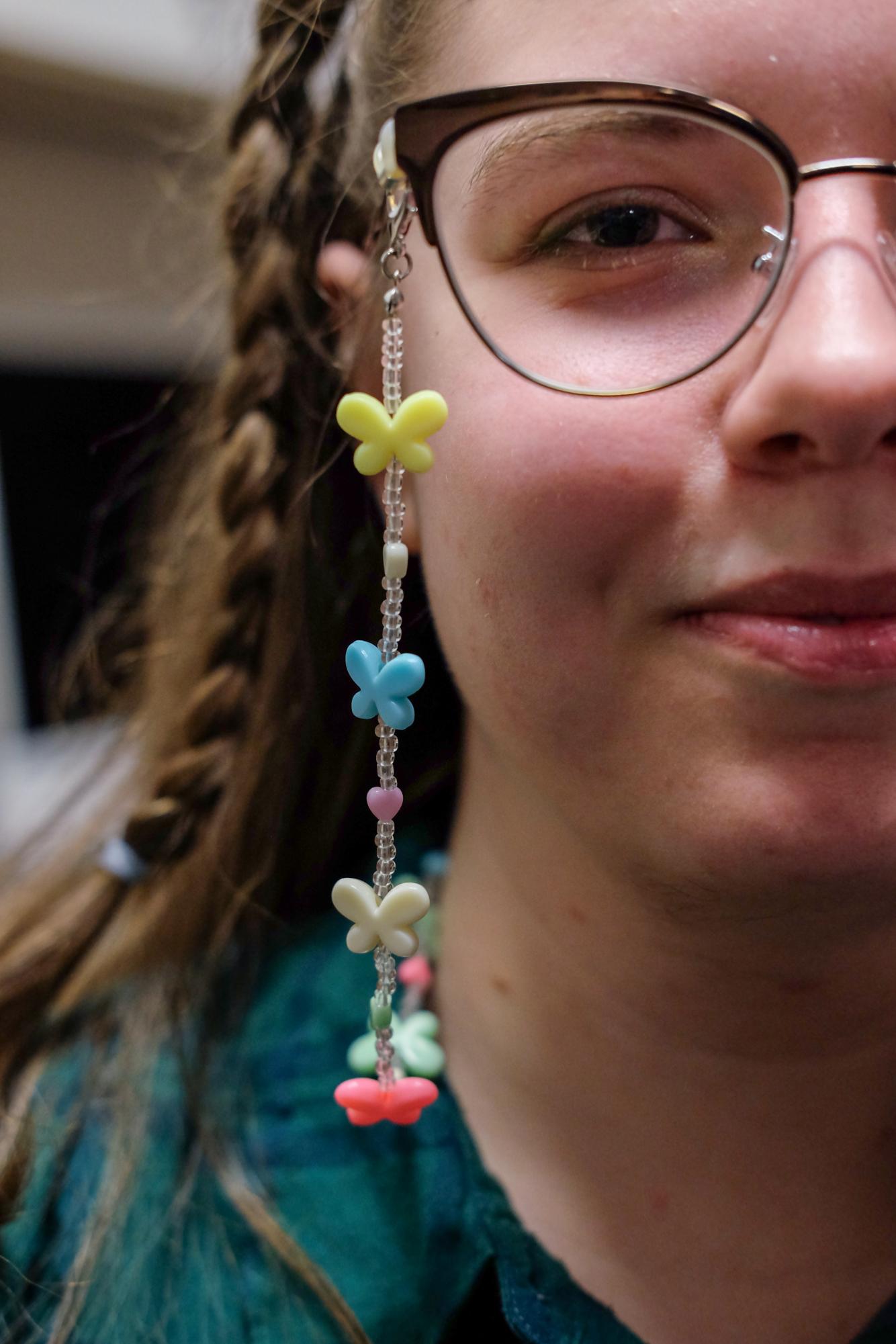
Boardman utilizes self expression predominately in the way they dress. They wear very unique outfits, often combining both vintage articles of clothing and accessories. They typically pick out a theme and build an outfit surrounding it. Sometimes it will be an animal and sometimes it will be themed around a show that she likes.
“I never felt the need to dress super mainstream. I was bullied as a kid. Shocker. I mean, like people were never going to like me anyway, and I figured that out very early on. I was like, if people are going to hate me for just existing, I might as well give them a reason, and the people thinking that this is fun, are going to find me because it’s visible,” Boardman said.
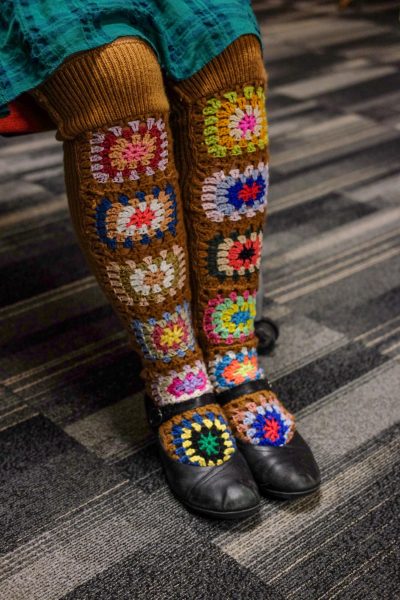
Boardman stands out in a crowd, and she does not care what other people think about her, she just is. She is an example of the argument that niche people are authentic. Boardman is incredibly authentic but how niche they are is not the determining factor in that authenticity. It is the fact that they are loud and proud about being different and that is specifically what draws people to them.
“A lot of people get caught up on labels in a way that makes me kind of uncomfortable. I think that there is more to self-expression than that. Just like how you could pull influence from a lot of places,” Boardman said.
Like most things, niche-ness is a spectrum. Somebody could be incredibly niche in one area of their life, and mainstream in another. Somebody could be mainstream in the kind of music that they like, and they could also be knowledgeable on foraging. But being niche is not the only way to be authentic. It is entirely plausible to be authentically mainstream. So, why desire to be niche? Is it the manufactured idea of authenticity we crave?
“I think that’s part of the desire of being niche. If you’re niche, you have an interest, you have this thing you do, and only authentic people have niches,” Dr. Joshua Call, an English professor at GVU said.
It is generally agreed that there is an association between being niche and authentic, which was mentioned earlier. But this association is entirely socially constructed. The classifications of niche and mainstream are entirely socially constructed themselves. Call says that these labels and classifications are so that we feel we have a place in the world, like we belong somewhere with people like us.
“It’s about authenticity. And trying to be perceived as authenetically this thing because otherwise if you’re not authentic, you’re a poser, and being a poser is bad – it’s bad to be a poser, it’s bad to be fake,” Call said.
When people are trying to pose as something, it is usually because they want to associate with the stereotypes that exist within that group. For instance, if someone wanted to pose as what has been identified as a “performative male.” they would pose as somebody who thrifts, likes matcha and listens to female music artists. They are trying to associate with somebody who women are attracted to – somebody who is environmentally conscious, somebody who is not fragile about their masculinity and somebody who is a feminist. They are presenting as somebody who is authentically niche to be different than everybody else. Different stands out. Different gets noticed.
The spectrum that niche-ness lies on creates the ability for people to phase in and out of groups in a specific way – the ability to showcase niche-ness or mask it depending on the environment. Call compares it to how you pick and choose which classes to speak up more in, and which ones to be quiet in. In those that you feel there are people who have similar viewpoints of you, you are more likely to speak up. In those that you feel there are people with opposing viewpoints of you, you are less likely to speak up.
Posing as something and picking and choosing where to let your niche-ness shine are opposite behaviors. One aims to stick out in the crowd, and one aims to blend in seamlessly. Although they are opposites, they have one thing in common consciously thinking about how you are being perceived.
“People should stop worrying about if they’re niche or mainstream and just let their inner quirks shine. Nerd out where you want to, be a freak where you want to, be your quirky weird awkward self where you want to, and the places you don’t, don’t,” Call said.
Caring too much about perception only suppresses the best part of human experience, unapologetically loving what you love. Remember that at one point, Marvel was nerdy and un-cool. Now, it is mainstream. Life is too short to care what others think. In nine years, nobody relevant will remember what your hobbies were back in college.