The average American diet is built on convenience, but that convenience comes as a serious health cost. On average, over half of Americans diets are built on ultra-processed foods. Rates of chronic illness are on the rise, and one of the common causes is the abundance of processed foods.
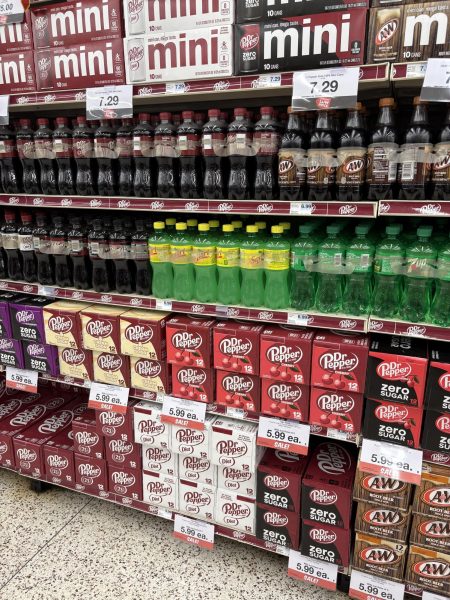
Processed foods are foods that have been taken out of their natural state and injected with preservatives and chemicals to make them last longer. Some of the most common processed foods include soft drinks, potato chips, microwave popcorn and fast food.
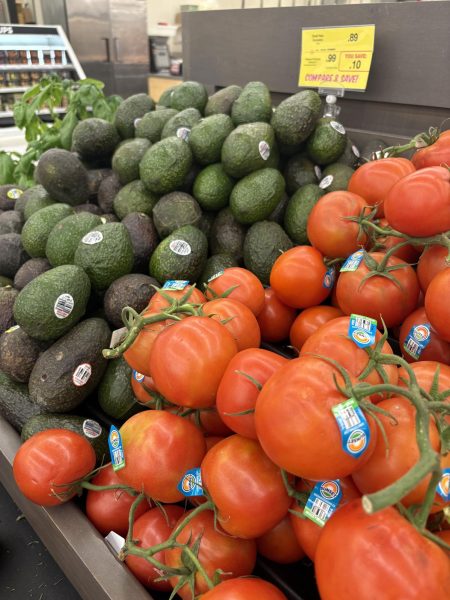
The healthiest alternative to processed foods is simply just foods in their natural states, commonly known as whole foods. Whole foods are foods that are found in the same state they would be right off a tree, out of a garden or off the farm. These foods are going to be highest in nutrients and healthy minerals.
 Amanda Koerselman, RD LD CNSC, is a registered dietitian who works in the Des Moines area. She specializes in general nutrition and a number of other areas.
“Processed foods tend to be higher in calories, and they tend to over time, if consumed frequently or in high quantities, it can contribute to chronic disease and health problems in the future,” Koerselman said.
Trying to eat more whole foods can feel overwhelming, but it’s not as difficult as it may seem.
One of the easiest ways to cut out sugar and empty calories is to start with daily beverages.
“Looking at those first (beverages) is an easy way to save money to reduce calories and to overall be healthier because you’re not going to be consuming ingredients from, say, energy drinks or bottled sodas that aren’t natural,” Koerselman said.
Better alternatives to sugary soda are lemon water or even flavored sparkling water.
Eating better doesn’t mean spending more money.
“I think there is a common misconception that whole foods are more expensive sometimes, or I can’t afford to eat healthier foods because they’re more expensive. If you’re spending money on coffee and bottled drinks and sodas or energy drinks or sports drinks, there’s an opportunity there to then transfer that to the grocery store,” Koerselman said.
 According to a study done by students at Grand Canyon University, the average college student spends around $20.82 a week on caffeinated drinks.
“Students aged 23 to 24 spend the most, averaging $24.80 per week, closely followed by those 25 and older at $24.25. The thriftiest group is the 20 to 22 age range, who spend about $15.07 weekly.”
This is an average of $20 a week that could be spent on other healthier things. A week of healthy meals for a college student can cost anywhere from $65 to $120, depending on a multitude of variables, but it doesn’t even have to cost that much.
The Dining Services team at Grand View University (GVU), prides itself on offering a variety of nutritious meals for students. They also offer a variety of different meals for students who may have dietary restrictions. To learn more, go to grandview.mydininghub.com.
According to GVU’s Dining Hub website, you can reach out for a variety of different reasons.
“Whether you have specific dietary needs, questions about nutrition, or just want tips on making balanced choices, they’re here to help. From personalized consultations to campus-wide wellness initiatives, they’re dedicated to helping you thrive.”
It doesn’t have to be difficult or expensive to eat better.
“You’re a generation that has access to technology and there’s so many good blogs and podcasts with dietitians that are registered, that have really quick and simple, easy whole ingredient recipes, if you like to cook from a recipe,” Koerselman said.
 Students have access to physical resources on campus and thousands of resources online. Your future self will thank you.
“You may not realize it right away, but certainly as you age, you may look back and think, oh boy, I wish I would have made healthier choices at a young age,” Koerselman said.