
















According to the Orthopaedic Journal of Sports Medicine, in the 15- to 19- year old age group, 16.5 out of every 1,000 cases are concussions. Serious head injury is becoming more and more common among young people every year. The most common type is concussion or Mild Traumatic Brain Injury (mTBI). An mTBI occurs when the brain is jolted back and forth inside of the head and hits the inner parts of the skull. This kind of injury can damage the brain and affect the success of its function.
There are three different severity levels of TBI, mild, moderate and severe. Each stage has its own set of criteria in order to decide which level it fits into. These criteria are related to symptoms such as time of lost consciousness, confusion levels, nausea and more.
Another kind of head injury can lead to Chronic Traumatic Encephalopathy (CTE). CTE is a result of cumulative or repeated head injury causing a degenerative disease, whereas severe TBI is usually the result of a singular event. CTE is getting research more and more as time goes on but the biggest issue currently is the only way to confirm CTE is the examination of brain tissue after death.
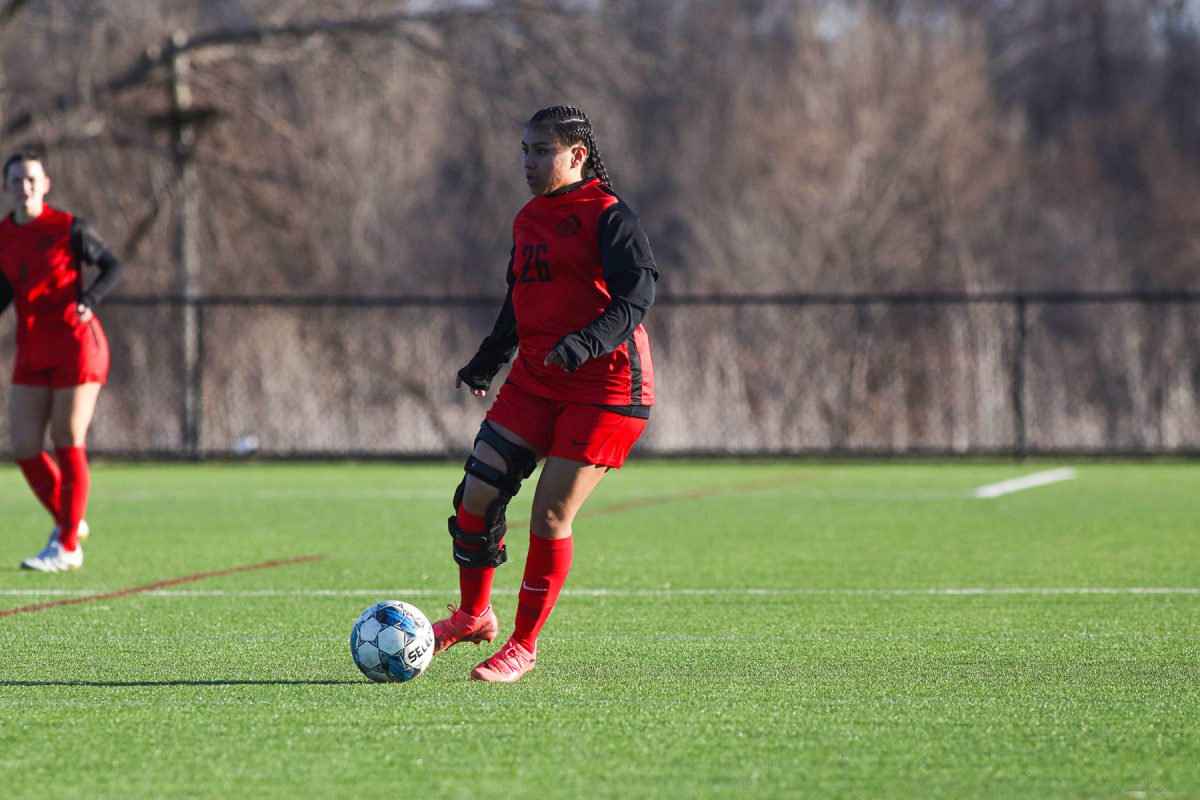
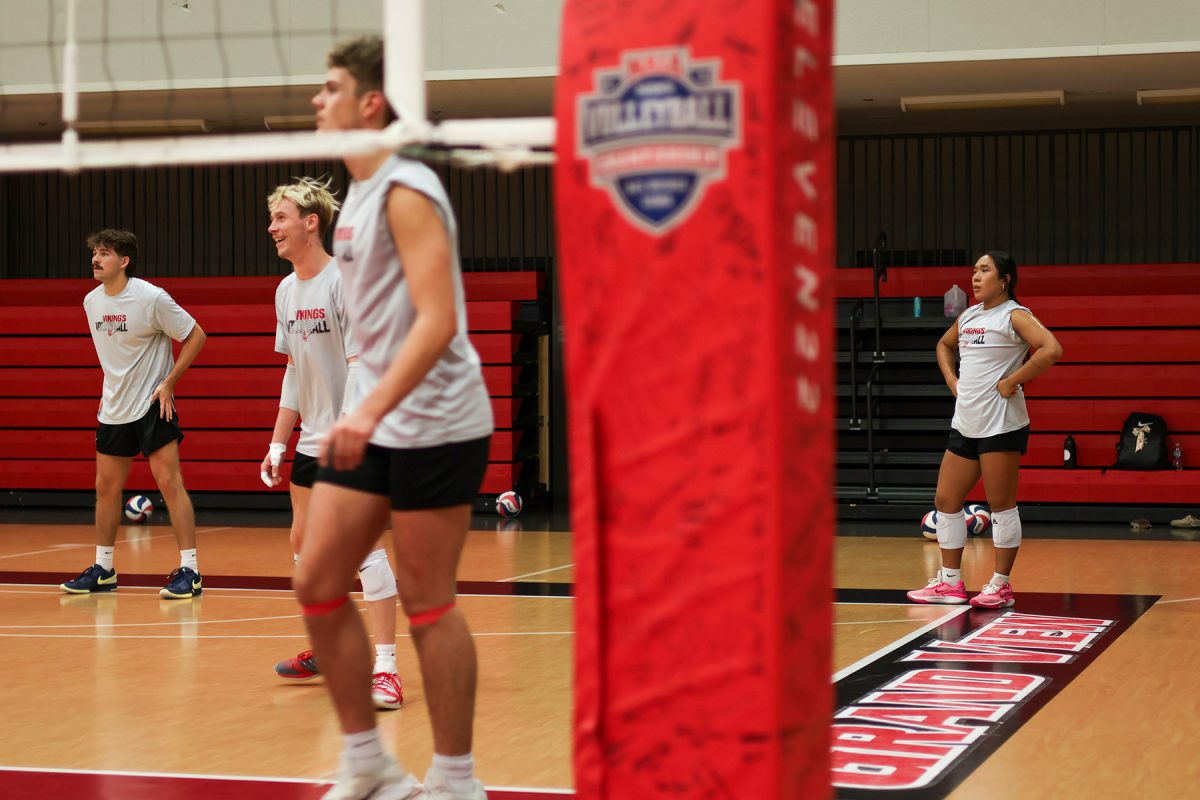
Head injury can happen a multitude of different ways, sports, vehicle accidents, skateboarding, biking or even something as simple as messing around with friends or family. Oftentimes the injury will then affect other aspects of the patient’s life, school, work, physical activity or even household chores.
Students who are dealing with a head injury have to pass the Return-to-Learn (RTL) protocol before returning to school on a regular fully functioning basis, and for athletes after Return-to-Learn comes Return-to-Play protocol (RTP).
These protocols are in place in schools to help keep the students safe. According to the Iowa Government website, RTL includes getting medically cleared, being completely symptom free for over 24 hours and no longer needing the use of academic accommodations. If the student is an athlete they will then begin RTP which includes medical clearance, then completion of low impact exercise, next a step up to running, after the student can return to full participation practice and finally contests.
Lisa Brekke PT, DPT is a Neurological Specialist at Kinetic Edge Physical Therapy office in Des Moines, Iowa. Brekke works mainly with the head, neck and shoulders, but will address any symptoms related to the injury.
“There are acute concussions that recover in two to four weeks with no big issues. And then there are other chronic concussions that can last 10, 12, 15 years just because of different personal factors,” Brekke said.
Brekke has seen all different kinds of side effects and other issues related to head injury.
“I’ve had clients that are so severe in their symptoms that they can’t move half their bodies, and they look like a stroke when they push too hard,” Brekke said. “I had a client one time that would turn their head in any direction and all of their vision would go green. There’s no biological reason for that to actually occur. So, you know that it’s an energy demand, and it is just like wiring. But they [symptoms] can present very abnormally.”
Different symptoms that can occur during or after a concussion are beyond our current knowledge.
“The spectrum [of symptoms] is literally whatever our brains can come up with. And we don’t even know, what half of what our brains do or we don’t even use half of our brain space. So, yeah, it’s fun, but it’s also alarming for a lot of people who don’t see it,” Brekke said.
Brekke stresses the importance of seeking help when you’re dealing with a head injury, specifically physical therapy.
“There’s tons of new research coming out that says the earlier you go to physical therapy, the better, because your brain doesn’t have time to centrally change the way it does its pathways. And so the faster the better,” Brekke said. “People know that you can go to PT and chiropractic for neck pain and shoulder pain, but a lot of people don’t understand what PT is for, neurological conditions.”
Most insurances in the state of Iowa allow going to a physical therapist directly, without requiring a referral from another doctor.
“The sooner you start, the better the outcome,” Brekke said.
Brekke has seen time and time again how important it is to address the neck when you have a neurological condition.
“People underestimate how much a whiplash injury can affect people. And they just assume when they get diagnosed with a concussion that it’s just the neurological concussion, but they forget that if you have a concussion injury, you had enough force to also cause whiplash,” Brekke said.
Sometimes primary care physicians aren’t best equipped to know how to treat concussions and the symptoms that come along with it.
“Early adults don’t typically complain of neck pain. And even sometimes when they do complain of neck pain, some providers think that it’ll just go away on its own, and so they just don’t treat it,” Brekke said.
Brekke touched briefly on CTE and its effects.
“It’s basically the idea that your brain has chronically been injured and has developed plaques and tangles, almost like dementia and Alzheimer’s. And so they have long term deficits due to concussions. So usually they have. That has a lot more to do with memory and concentration and processing,” Brekke said.
Research is being done all the time to understand brain injury better and tactics for prevention.
“And so they [researchers] are just finding that although concussion is considered functional, not structural, repetitive injury over years can cause actual structural changes to your brain, Brekke said.
More information and helpful resources can be found online on websites like the CDC and the Iowa Government page for specifics into the law of Return-to-Learn.

