Are dancers athletes? That is a constant ongoing debate for many people.
While dance started out very tame and lacked the physicality some other sports had, that could not be further from the truth now. Dancers not only require the strength of other athletes, but also the flexibility. They require endurance as well as creativity. Every year dancers raise the bar and create new skills. While for some people the question of dancers being athletes is offensive, others refuse to recognize them as such. Something that is a shock to many people is that collegiate dancers are not recognized as athletes by the National Collegiate Athletic Association(NCAA). The NCAA does not qualify dance team as a college sport. This means that division one dancers are not eligible for any scholarships and the funding they receive is completely up to their university.
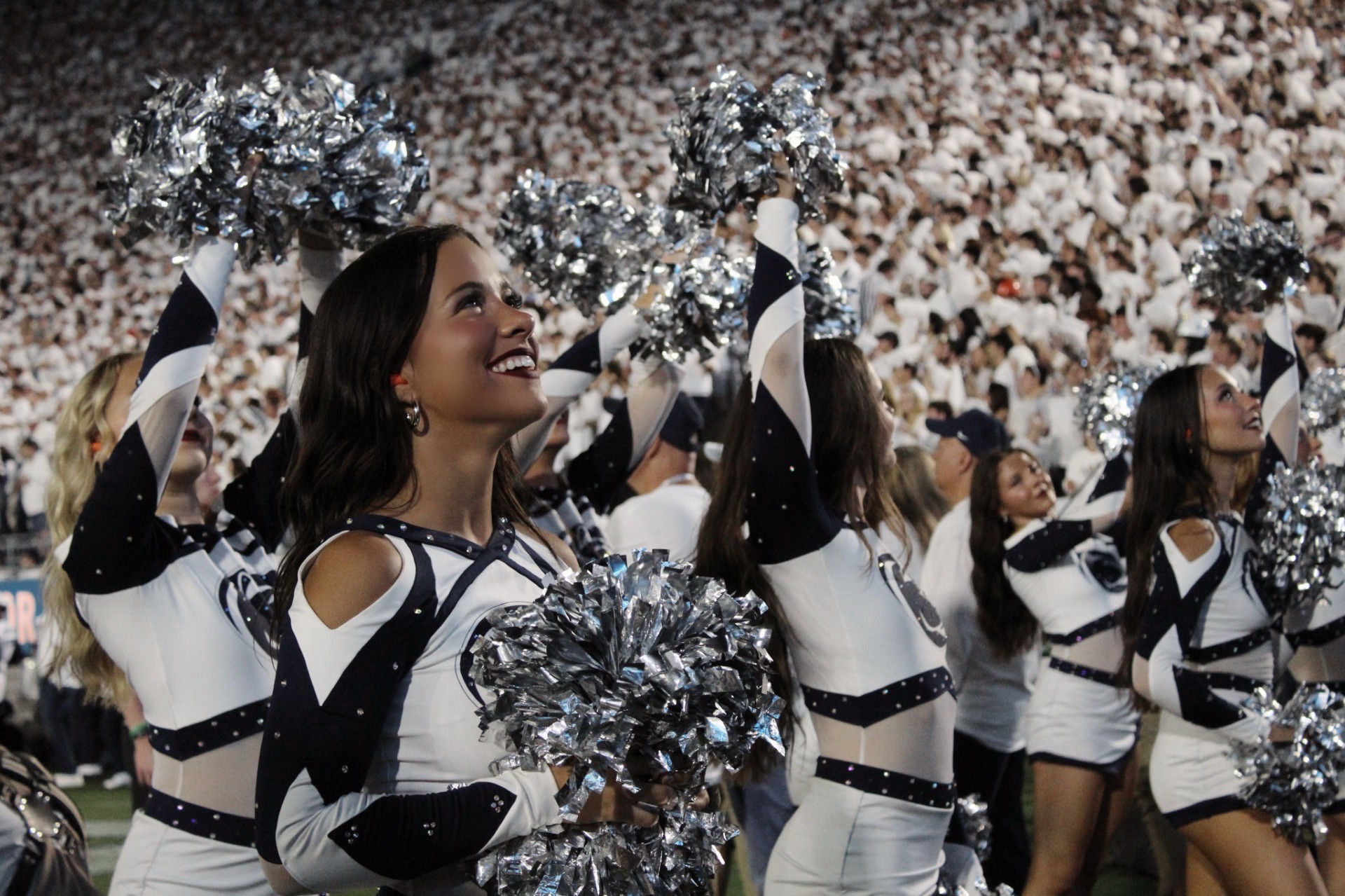
This was a problem that directly affected me as I danced at a Division I school my freshman year of college. My university did not give a dollar to the dance team which created a huge obstacle on its own. Dance teams have to pay for uniforms, shoes, practice clothes, entries to competitions, poms, plane tickets, bus rides, hotel stays, practice spaces and more. That being said, that puts all of that on the dancer. Another problem is practice space. My dance team had a very hard time finding space to practice. Since we were not classified as a sport, all of the other sports got priority over us, including intramural sports. There were many days my team was forced to practice in the parking lot. Most Division I dance teams compete at the Universal Dance Association (UDA) Nationals in Florida. This competition is held at the ESPN Wide World of Sports Complex and it is one of the biggest dance competitions in the world. One team that competes at this competition is Penn State University. They placed third in D1A pom. D1A is the highest division at UDA. Senior Penn State dance team captain, Nikki Romano has known she wanted to compete at UDA since her sophomore year of highschool.
“We practice Monday through Thursday three hours every night. Then basketball games are thrown into it; football games are thrown into it. Then our nationals practices are usually Saturday and Sunday from 10 to five,” Romano said.
In the past, the Penn State dance team has received some funding from athletics, but due to university wide budget cuts they were given no funding this year. Romano has spoken out on social media about their situation asking for donations from anyone who is willing to support them.
“With me speaking out on social media we got the Penn State community super involved in it which was a big help because nobody knew that our team was struggling. Obviously, a lot of people do love us here so it’s super nice to see that us 25 girls aren’t alone and we have a whole community behind us,” Romano said.
While I was attending the UDA Nationals I was in complete shock the entire time that the students performing were not considered athletes. The drive and passion that these dancers had for their sport was insane. The amount of hours put in, injuries overcome and just physical strength that was on display made it obvious that everyone in that place was an athlete. According to danceus.org dancers train their bodies intensely focusing on strength, stamina, flexibility all physical feats that make them stand out just like any other sports player. Furthermore, in competitive dance events, dancers are judged on their technical skills and performance quality similar to other athletic competitions. The physical demands of dance place it firmly within the realm of recognized sports.
“I think that we should be treated like athletes, we train like athletes, we lift like athletes. We make the sacrifices that all other athletes make for their sport and we obviously love our sport so much. There’s no doubt in my mind that dancers and anyone that goes to UDA should be considered an athlete. No questions asked,” Romano said.
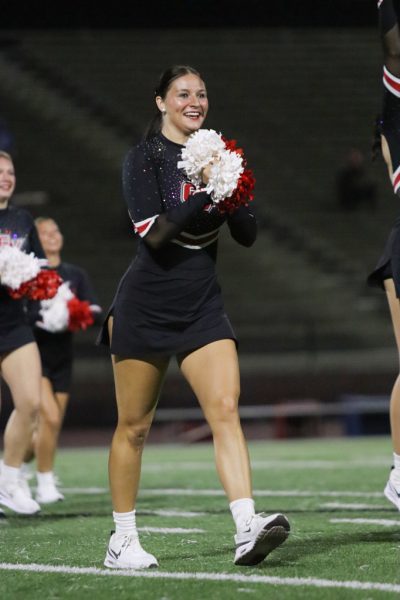
Many people inside and outside the dance community have spoken up about this topic. Many people just wonder why it is not qualified as a sport for division one schools because dance team is considered a sport in NAIA colleges. Compared to paying for everything at my Division I school, everything is paid for on the Grand View dance team University. NAIA dancers are allowed to be on scholarship and get all amenities other athletes get. The big question is what is the difference between NAIA dance team and division one dance team?
“I think about this all the time. I don’t know if it’s because of the debate if dance is an art or whatever. It’s so physically demanding that I seriously don’t understand why it’s not considered a sport. Especially with how big UDA is nowadays it has grown so much. I’m hopeful that one day the NCAA will recognize dance as a sport. I think it is definitely possible and I think it could happen soon,” Romano said.
Due to how UDA nationals is rising in popularity the dancers themselves are growing in followers. Many of the top schools dancers have become famous on social media which adds extra excitement for people to see them compete at UDA. Like other sports, this also adds on extra pressure for the athletes. When a mistake is made by a big team it is often shared and talked about online. Non-dancers have also started watching UDA because of how it has circulated social media the past few years.
“I would say the relationships I have with my teammates it sounds so cliche but like we really are a family. I couldn’t imagine being at Penn State without all of them. I obviously love dance. Of course I care about the recognition. I wish we did get respect to the fact that anywhere we are asked to be we show up with a smile on our face on top of like a crazy practice schedule that we want to do. But we just love what we do like that’s why we show up everyday,” Romano said.
Not many people know the struggles collegiate dancers go through. I can only hope that if dancers continue to speak up about whats going on that change will happen soon.