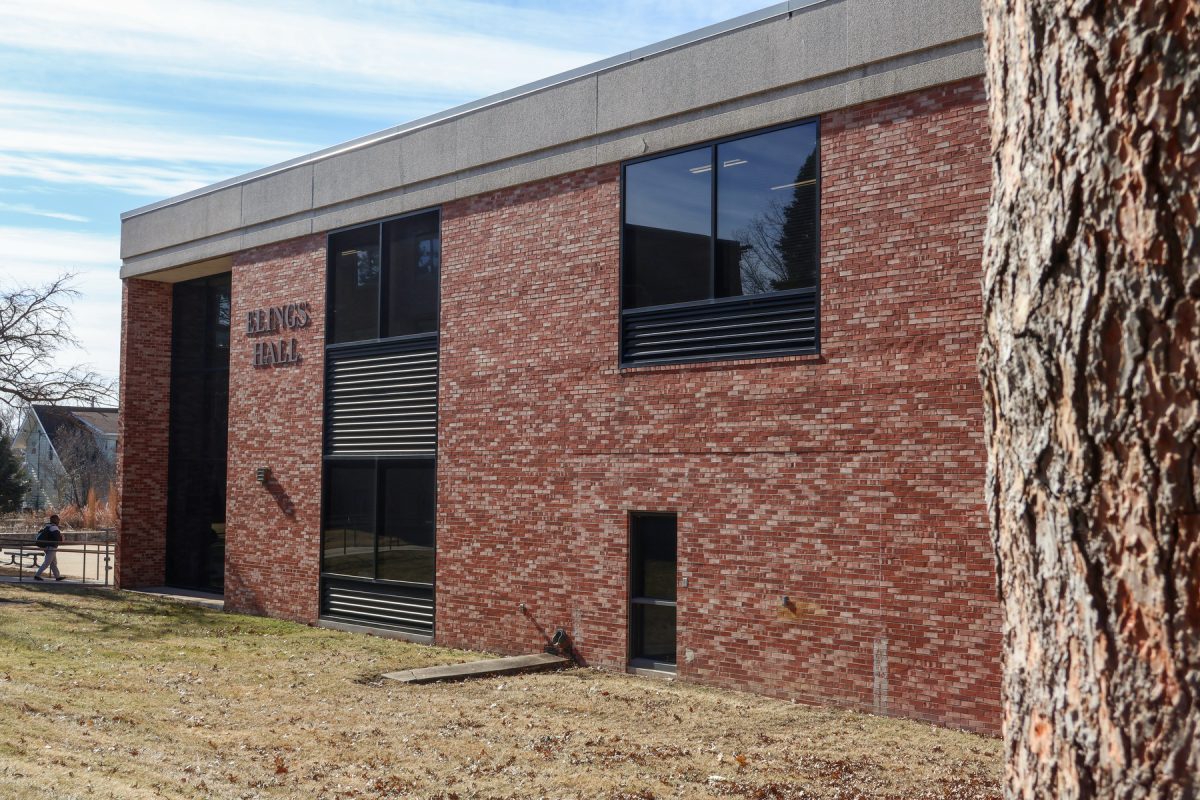
As the days and weeks get longer, you may notice yourself starting to feel more down. Often categorized as “Winter Blues,” this time of feeling detached from others, falling behind on work and overall sadness is often more than just being “blue.” Seasonal Affective Depression, also known as SAD or seasonal depression, is categorized as a sub-type of Major Depressive Disorder or MDD and occurs when the change in seasons has major effects on one’s behavior and well-being.
Seasonal depression can especially hit hard for many college students as there can be a lot of stress behind the scenes of juggling the responsibilities of being an adult. According to a 2022 survey conducted by the Mayo Clinic across college campuses, 44% of students reported symptoms of feeling depressed and 15% reported having serious thoughts of suicide. The shift from the beginning of the semester of warmth and new beginnings can easily change once the weather does.
Juliette Bernal-Herrera, a Sophomore at Grand View University, said, “In the summer it’s all about having fun. It’s all about just experiencing things with your friends, but it changes in the fall and winter. As a college student, you’re more focused on school and academics and it can be a stressor.”
Bernal-Herrera has faced her own struggles with seasonal depression at GVU. Signs and symptoms of facing seasonal depression can range from feeling down, worthless, guilty, losing interest in activities and even suicidal thoughts.
“Last semester I definitely was going through a lot in my personal life, and I knew that I wasn’t just experiencing sadness, I was experiencing an overwhelming feeling of stress, sadness, anger even all in one,” Bernal-Herrera said.
Seasonal depression brings out many traits and has different effects during different seasons. During the fall and winter months common symptoms of seasonal depression can look like, oversleeping, increased craving for high carbohydrates, weight gain, tiredness and low energy. While in the spring and summer common symptoms range from trouble sleeping and anxiety, to weight loss and poor appetite. When students on campus begin to feel and recognize these symptoms, graduate student Erica Kiley offers advice on how to overcome this hump.
“Getting out or even just coming and asking questions at the counseling office if they need additional help. Try to find something you can enjoy in the winter,” Kiley said.
Searching for the right place to fit in or get additional support can be a hard factor for many college students. But exploring supportive clubs and resources on campus may offer a bigger solution than most may think.
Almedina Omerovic, a junior at GVU, said,
“My biggest advice is honestly getting yourself out there.”
Both Omerovic and Bernal-Herrera are members of the PWA group on GVU’s campus. This group offers support to those who may be struggling and seeking peer counseling or friendship rather than turning to someone such as a counselor.
“We’ve been trained in mental health, first aid, and we’ve been talking about ways to bring more awareness to mental health and how we can help others,” Bernal-Herrera said.
The PWA is a great on-campus resource for students who may have questions or concerns regarding their mental health or even just to provide aid during seasonal depression.
The symptoms and hard challenges of seasonal depression are ones that do not have to be fought alone, and campus resources are readily available for those who may be struggling. The PWA is not the only campus support available to students. While the counseling office is open to everyone, all GVU students also have access to free, 24-hour, virtual therapy via Uwill.
“If you’re still having a hard time and you don’t want to come to the counseling office, you also have Uwill, which is 24/7. It’s free to you guys,” Kiley said.
Seasonal depression is not a battle that needs to be fought alone. Seasonal depression is more than what others can make it out to be. It is real and lasting effects can be combatted if you take the steps to do so. So, as the days get longer and the sun disappears, it is important to take care of yourself and turn to others when being sad becomes more than just feeling blue.
Donate to Viewfinder Media
Your donation will support the student journalists of Grand View University. Your contribution will allow us to purchase equipment and cover our annual website hosting costs.
More to Discover